
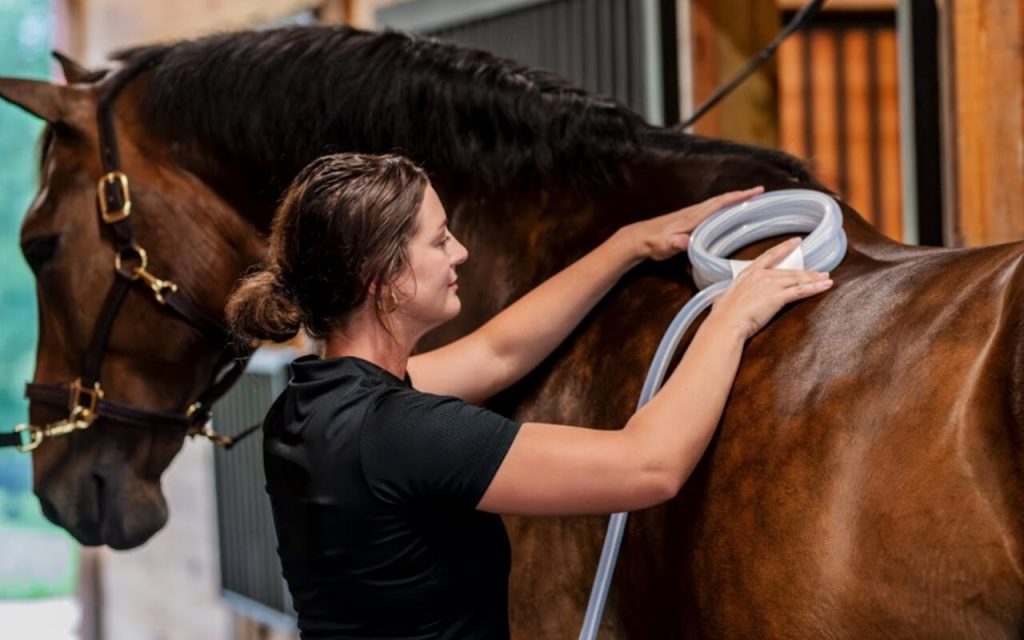
Colic in horses is a broad term used to describe a variety of abdominal and intestinal issues. It is one of the most common equine health conditions and can be unpredictable, unpreventable, and, in severe cases, life-threatening. Recognizing the early signs of colic in horses and seeking immediate veterinary care can save your horse’s life and lead to a faster recovery.
Signs and Symptoms of Colic in Horses
According to the American College of Veterinary Surgeons (ACVS), common signs of colic in horses may include:
- Depression or lethargy
- Lack of appetite
- Pawing at the ground
- Looking at or biting the flank
- Kicking at the abdomen
- Lying down or rolling excessively
- Little or no manure production
- Changes in drinking behavior
- Off-colored mucous membranes
- Passing dry or mucus-covered manure
Because equine colic can escalate quickly, contacting a veterinarian at the first sign of discomfort is critical.
Understanding Colic-Related Discomfort
Colic pain often stems from intestinal spasms, gas buildup, reduced blood flow to the digestive tract, or inflammation. Even after veterinary intervention—or colic surgery—horses may experience lingering discomfort and inflammation as their bodies recover.
This is where equine PEMF therapy may be used as a supportive tool alongside veterinary care.
How MagnaWave PEMF Therapy Supports Horses
Using the latest advancements in PEMF therapy for horses, MagnaWave delivers gentle pulsed electromagnetic fields that penetrate tissues at a cellular level. MagnaWave PEMF therapy is designed to support overall equine wellness by:
- Increasing blood flow and circulation
- Improving oxygenation of cells
- Supporting cellular function
- Reducing pain and inflammation
- Helping ease muscle tension and discomfort
By promoting circulation and cellular efficiency, MagnaWave PEMF therapy for colic recovery may help support the body’s natural recovery processes during periods of stress.
MagnaWave PEMF for Post-Colic and Post-Surgical Recovery
For horses recovering from colic—especially following abdominal surgery—PEMF therapy after colic surgery in horses may be incorporated as part of a comprehensive recovery plan. MagnaWave PEMF is often used to help:
- Promote relaxation
- Support tissue recovery
- Reduce post-operative inflammation
- Encourage comfort and mobility
Many horse owners and veterinarians recognize MagnaWave PEMF as a valuable complementary therapy for equine colic recovery when used appropriately.
Complementary Therapy, Not a Replacement for Veterinary Care
While PEMF therapy for equine colic support can be beneficial, it is not a replacement for veterinary diagnosis or treatment. Colic should always be addressed first by a licensed veterinarian. MagnaWave PEMF therapy is best used in conjunction with professional veterinary care as part of a well-rounded equine health and wellness approach.
Supporting Equine Health with MagnaWave PEMF
Colic in horses is stressful for both horse and owner, but having supportive therapies available can make a meaningful difference during recovery. By combining prompt veterinary care with MagnaWave PEMF, horse owners can help support comfort, recovery, and overall well-being.
To learn more about MagnaWave PEMF for horses or to find a certified MagnaWave practitioner near you, visit MagnaWave’s website or contact your local practitioner.